WHAT WE BELIEVE AND WHY
The Holy Spirit
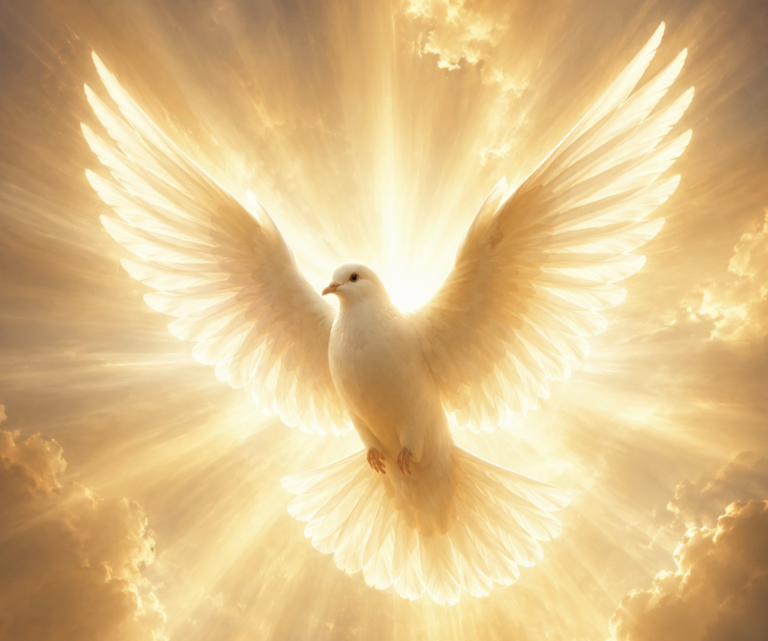
The Holy Spirit was sent to reveal and glorify Jesus Christ and to apply His saving work in the lives of people. He convicts us of sin, draws us to Christ, gives new life, and seals every believer until the day of redemption. He empowers us to live holy lives, helping us overcome the desires of the flesh, grow in Christlike character, and serve God’s Kingdom with the gifts He provides. Through the Holy Spirit, believers bear spiritual fruit that brings glory to God.
Every follower of Jesus is called to live under the guidance and power of the indwelling Holy Spirit. We encourage believers to eagerly seek the promise of the Father—the baptism in the Holy Spirit—as taught by Jesus and experienced by the early Church (Luke 24:49; Acts 1:4–8; 1 Corinthians 12:1–31).
The baptism in the Holy Spirit brings a fresh empowering for Christian living and ministry. It results in a greater fullness of the Spirit (John 7:37–39; Acts 4:8), a deeper reverence for God (Acts 2:43; Hebrews 12:28), a renewed commitment to God’s purposes (Acts 2:42), and the active expression of both the fruit and the gifts of the Spirit (Galatians 5:16–26; Romans 12:3–9; 1 Corinthians 12:1–31).
Baptism & Holy Communion
Jesus gave the Church two ordinances: Water Baptism and Holy Communion (the Lord’s Supper).
Water Baptism is a public declaration of faith and obedience to Jesus Christ. We believe that everyone who has repented of their sin and placed their faith in Jesus as Lord and Saviour should be baptised by immersion whenever they are able and have the opportunity (Matthew 28:19–20; Acts 8:26–38). Baptism does not save us, but it is an outward expression of the inward transformation that takes place through faith in Christ. It symbolises our identification with Jesus in His death, burial, and resurrection, and our commitment to live a new life in Him (Romans 6:4; Acts 10:47–48).
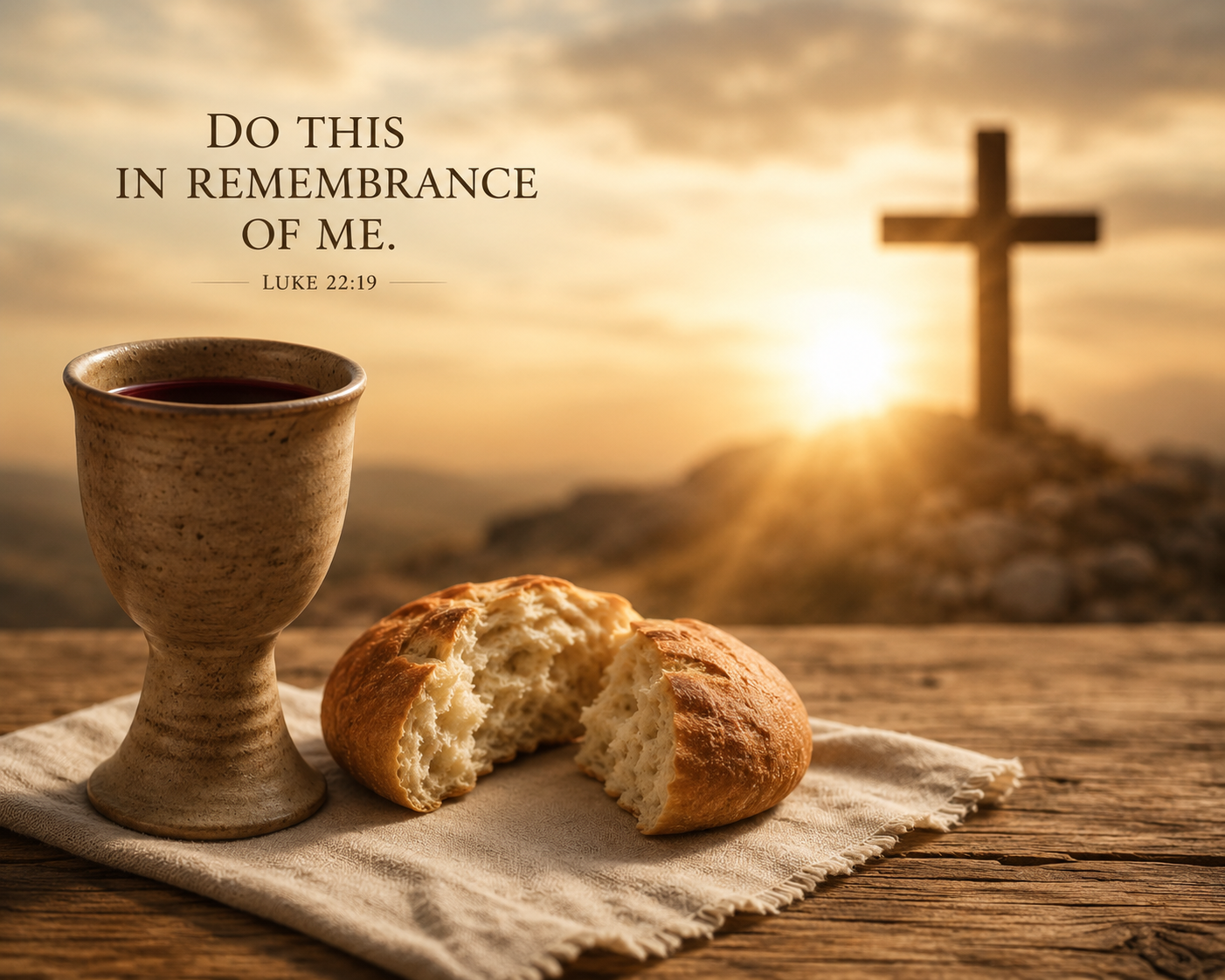
Holy Communion, also known as the Lord’s Supper, is a meaningful act of worship in which we remember the sacrifice of Jesus Christ. The bread represents His body, broken for us, and the cup represents His blood, shed for the forgiveness of our sins. As we share Communion, we remember His death, celebrate the new covenant He established, express our unity with Him and with one another as His Church, and look forward with hope to His return (1 Corinthians 11:23–26; Ephesians 4:4–6; 2 Peter 1:4).
Salvation
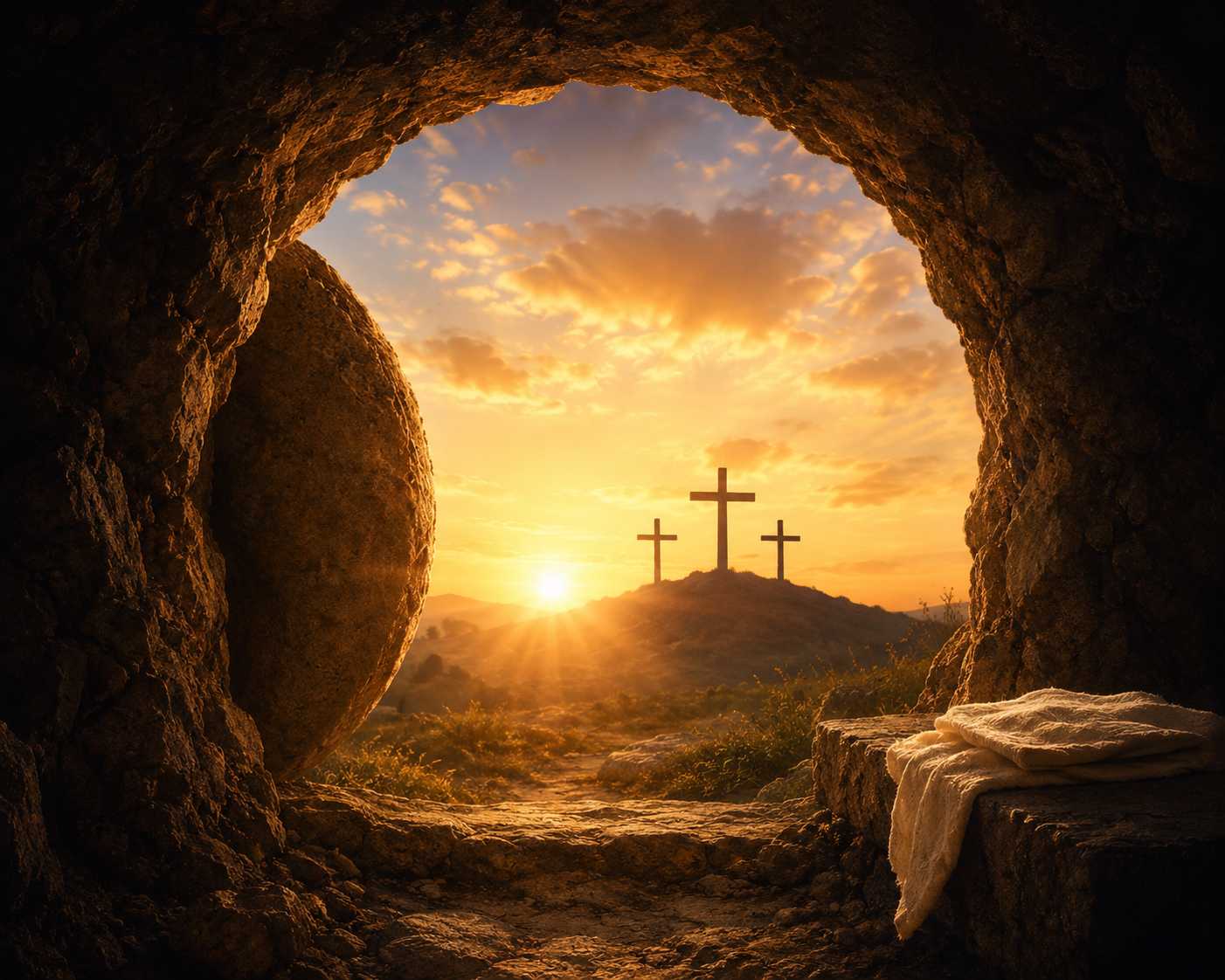
Salvation is found in Jesus Christ alone. Our only hope of redemption is through His death on the cross and the shedding of His blood for our sins. Salvation is a gift of God’s grace—it cannot be earned through good works, personal effort, religious rituals, or human merit (Ephesians 2:4–10).
We receive salvation through repentance and faith in Jesus Christ as Lord and Saviour. Through the work of the Holy Spirit, we are born again, forgiven, made right with God, and adopted into His family as His children and heirs of His promises (John 3:1–21; Luke 24:47; Romans 10:13–15; Titus 3:5–7).
Everyone who places their trust in Jesus can have confidence in their salvation from the moment they believe. This assurance is not based on our own performance but on God’s promises and the witness of the Holy Spirit, who confirms in our hearts that we belong to Him (Romans 8:16, 35–39).
The evidence of salvation is seen both inwardly and outwardly. Inwardly, the Holy Spirit gives us the assurance that we are God’s children. Outwardly, a transformed life reflects His work within us, producing righteousness, holiness, and a growing desire to live in obedience to God (Romans 6:1–18; Romans 8:1–9; Ephesians 4:24).

Humanity
God created humanity in His image, good and with the purpose of living in relationship with Him (Genesis 1:26–27). However, through the disobedience of Adam and Eve, sin entered the world, bringing separation from God, spiritual death, and ultimately physical death (Genesis 2:17; 3:6).
As a result of humanity’s fall, every person is born into a broken world with a sinful nature. Apart from God’s grace, we are unable to restore our relationship with Him or live in a way that fully pleases Him. We all need the transforming work of Jesus Christ through the regeneration, redemption, and renewal of the Holy Spirit (Romans 3:23; Romans 5:12–19).
Sanctification
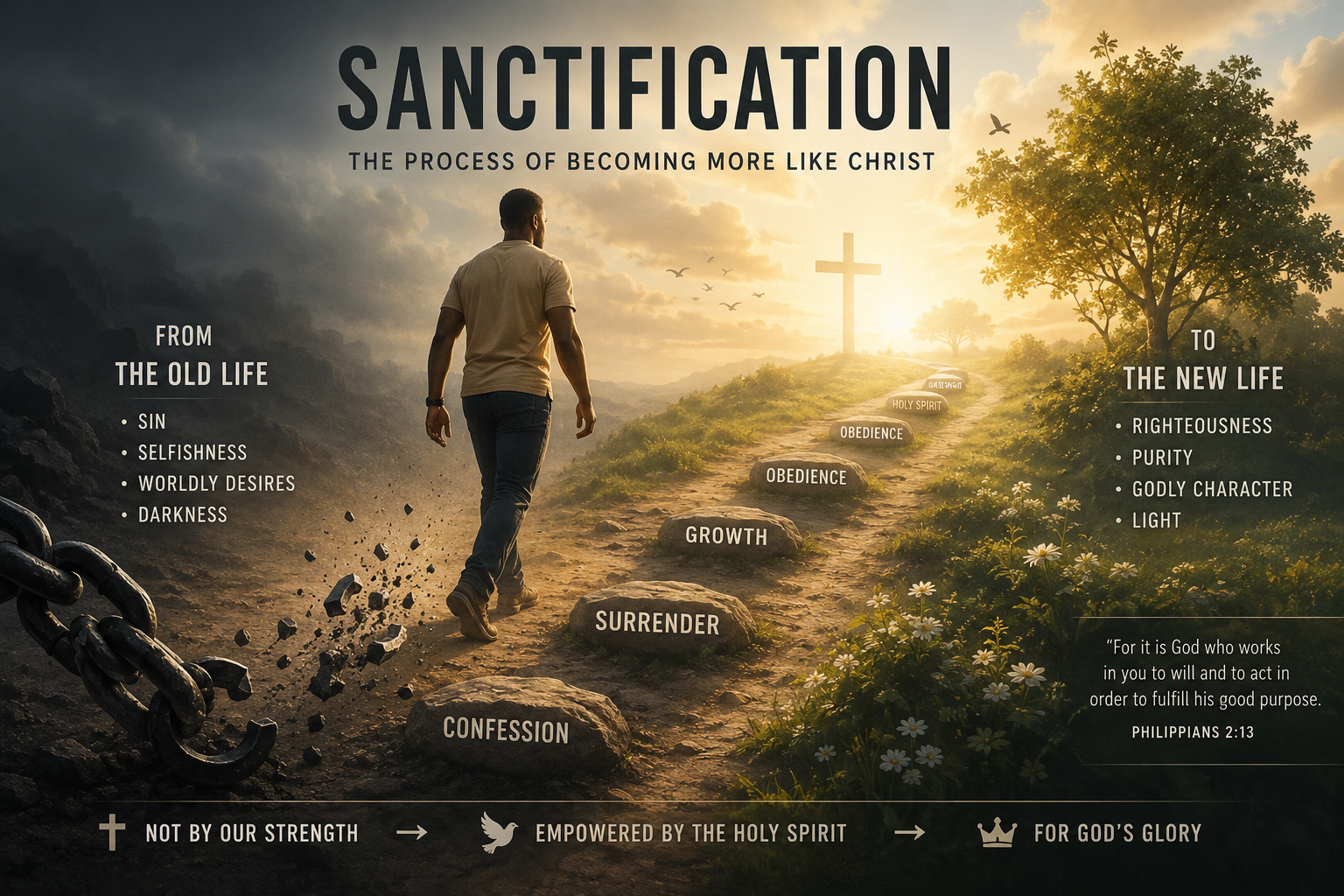
Sanctification is the ongoing work of God in which believers are set apart from sin and dedicated to His purposes (Romans 12:1–2; 1 Thessalonians 5:23; Hebrews 13:12). Scripture calls every believer to pursue a life of holiness, “without which no one will see the Lord” (Hebrews 12:14). Through the power of the Holy Spirit, we are enabled to obey God’s command: “Be holy, because I am holy” (1 Peter 1:15–16).
Sanctification is the lifelong process of growing in Christlikeness and experiencing freedom from the power of sin. As we surrender to the Holy Spirit, He transforms our hearts and lives, helping us become more like Jesus. We grow in this process through prayer, worship, regular time in God’s Word, fellowship with other believers, and faithful obedience to God (Romans 6:1–13; Romans 8:1–2, 13; Galatians 2:20; Philippians 2:12; 1 Peter 1:5).
The Church
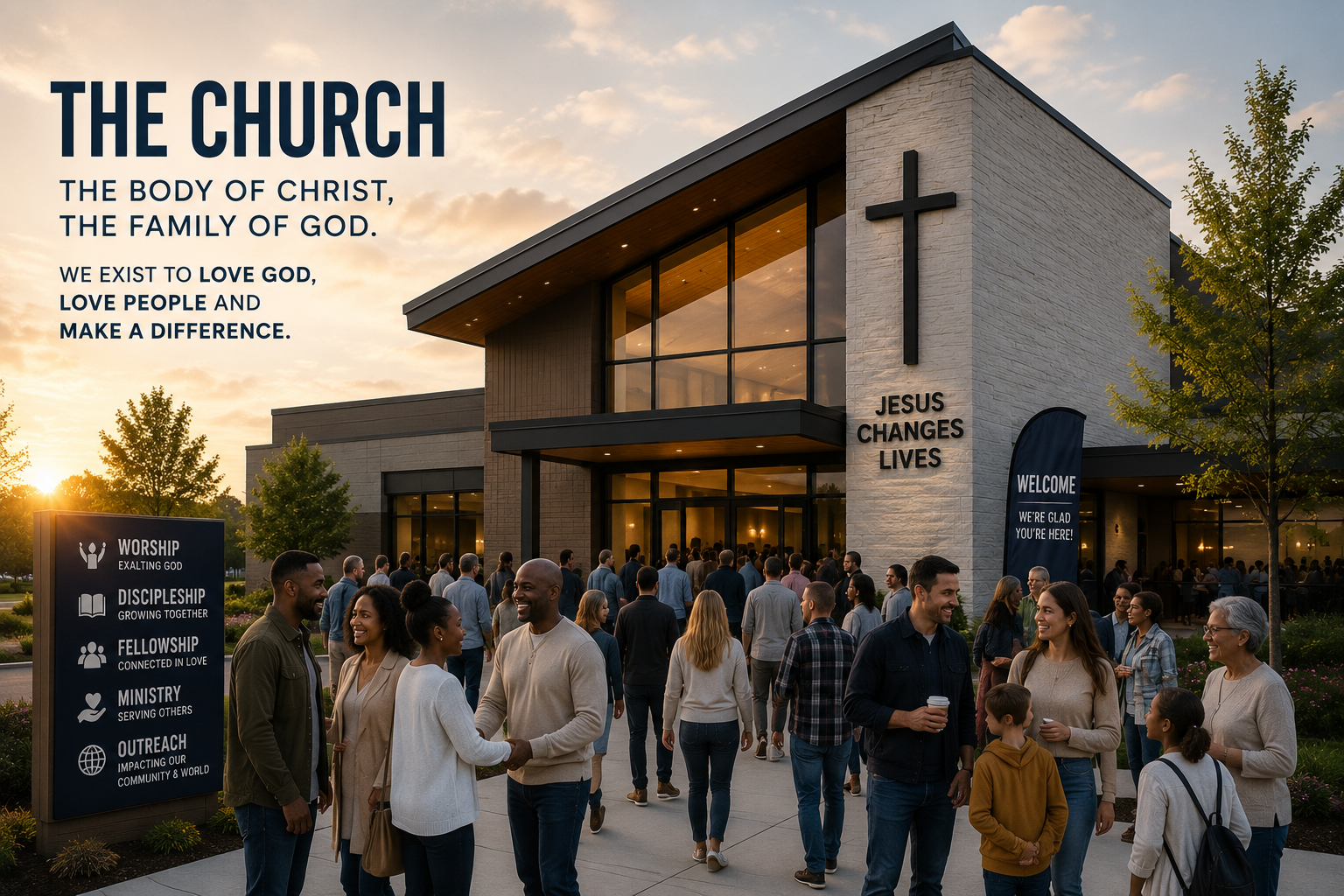
The Church is the body of Christ, where God dwells through the Holy Spirit. Jesus Christ is the head of the Church, which is made up of all who have placed their faith in Him for salvation—both those living today and those who have gone before us (Matthew 16:18; Ephesians 1:22–23; 2:22; Hebrews 12:23).
The Church exists to glorify God through worship, to help believers grow as disciples of Jesus, to care for the needs of its members and those in the community, to cultivate meaningful fellowship, and to equip every believer to share the hope of the gospel with the world (Acts 2:41–47).